Why have dentures? image
Smilestyle logo

Why have dentures?

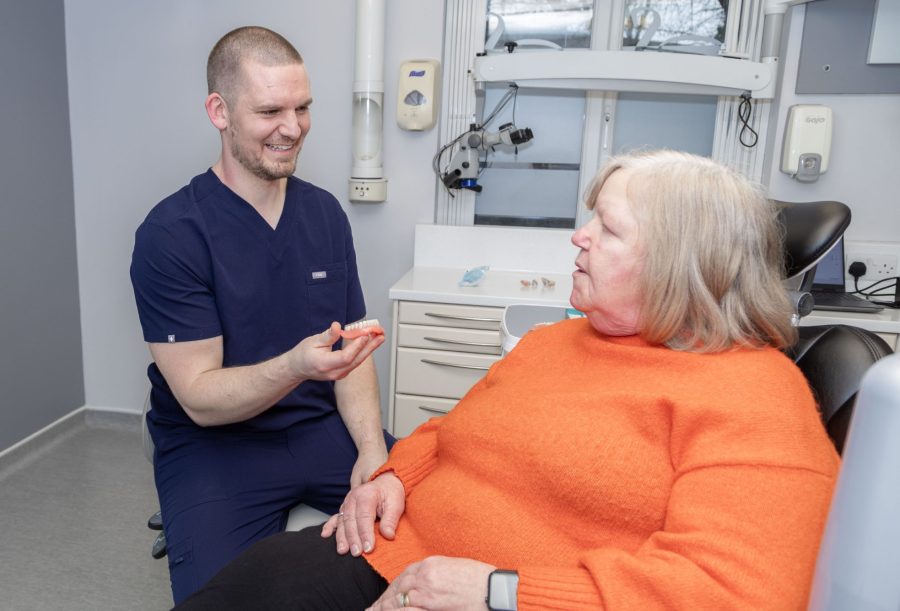
If you are missing a single tooth, or have multiple missing teeth you would like to replace, dentures are a strong, stable and effective option. They are usually made from acrylic, or a combination of acrylic and metal, and modern materials mean that partial dentures will blend in beautifully with existing teeth and complete dentures can pass for the real thing.

Replacing a full set of teeth with complete dentures provides vital support to your facial structure, keeping it from prematurely sagging around your cheeks and jaw. Partial dentures help your remaining natural teeth stay in position, stopping them moving and causing you problems with misalignment.

A unique digital denture service right here in Nottingham image
Smilestyle logo

A unique digital denture service right here in Nottingham

Here at Smilestyle, we are fortunate to have an in-house Clinical Dental Technician who uses a more blended approach to dentures, combining modern digital dentistry with more traditional techniques. This approach makes our denture service second to none in Nottingham and the surrounding areas.

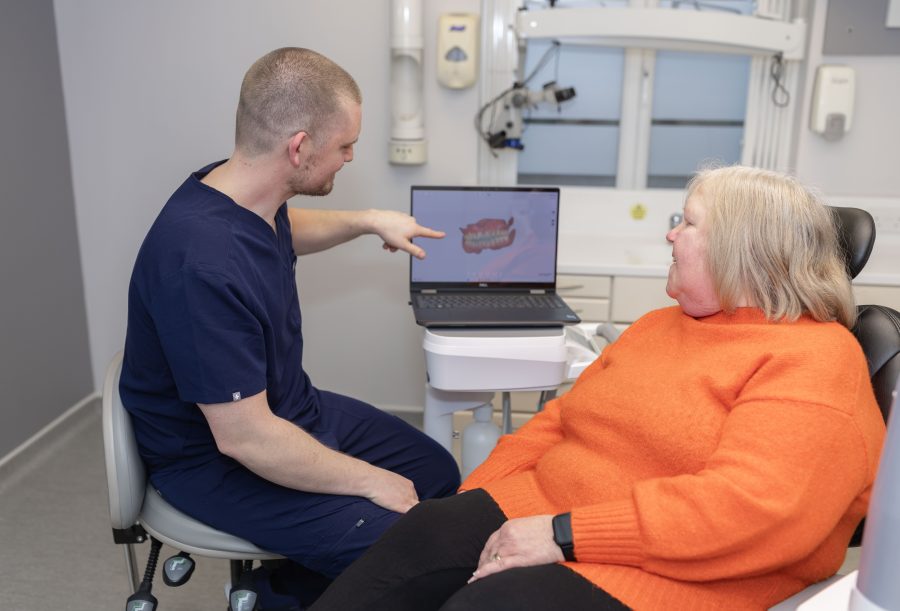
Our unique digital denture service differentiates us from other practitioners by using intraoral scanners, CAD-CAM manufacturing, 3D printing, and milling techniques exclusively for digital dentures. Our CDT, Tim’s work primarily involves creating digital dentures rather than conventional ones, and this is a relatively niche service in the dental industry. Tim has vast experience in creating dentures, and he endeavours to keep as much of the denture work in-house as possible, which ensures the best fit for our patients.

Book a free consultation
What is involved in having dentures made? image
Smilestyle logo

What is involved in having dentures made?

Making and fitting dentures can be quite an involved process, so you may have to attend several appointments to ensure the final set of dentures is a secure and comfortable fit, but it’s worth it in the end.

Following a comprehensive consultation, we use an intraoral scanner to get 3D images of your mouth, teeth, and gums. We might take traditional impressions if we feel they’re necessary; however, for nervous patients or for those with a severe gag reflex, the impressions can be avoided.

The digital denture-making process involves the intraoral scanner images, CAD/CAM manufacturing, 3D printing, and milling techniques exclusively for digital dentures. We can supply 3D printed try-ins, which allow patients to take home mock-ups of their dentures to show to their family and friends. We emphasise the importance of quality over speed, and to get the perfect results, it can take a few weeks to ensure great accuracy. We work with both chrome and acrylic materials, offering a week-to-week appointment schedule.

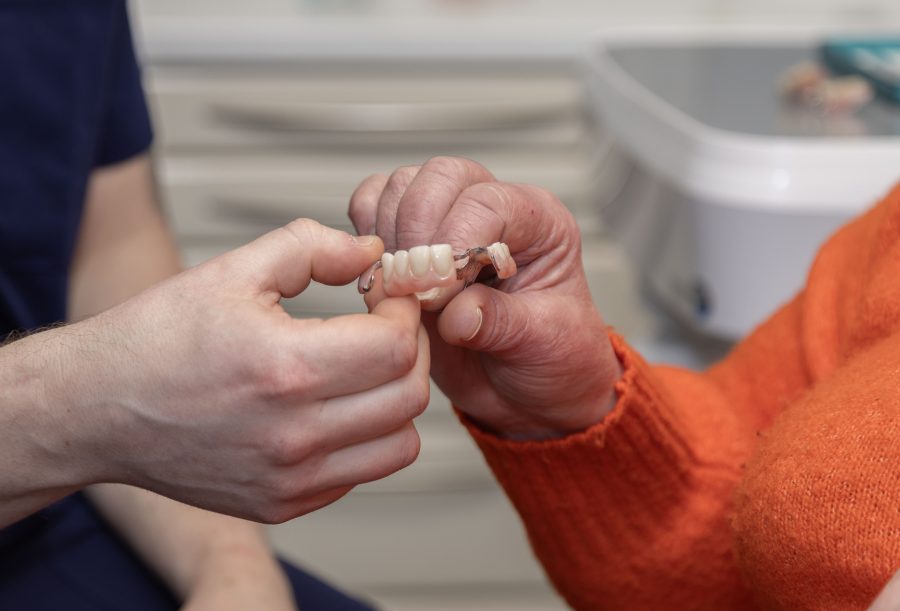
If you are having complete dentures, these will be fitted in the top or bottom of your mouth. This complete denture will consist of a gum-coloured arch with a set of prosthetic teeth attached. Partial dentures will be used if you only have one or a few missing teeth and may be held in place with metal hooks attached to existing teeth.

It can take a little while to get used to your new dentures, so we give you some tailored tips and advice to help.
Frequently Asked Questions

How do I keep my dentures clean?

Regular cleaning is crucial for denture hygiene. Use a soft-bristled toothbrush or denture brush to gently clean them daily. Don't forget to clean your gums and any remaining natural teeth. Regular dental check-ups are also important for maintaining oral health.

What will dentures feel like?

New dentures may feel awkward for a few weeks until you become accustomed to them. The dentures may feel loose while the muscles of your cheeks and tongue learn to keep them in place. It is not unusual to experience minor irritation and soreness. You may find that saliva flow temporarily increases. These problems should diminish with wear. More follow-up appointments are generally needed after the new dentures are inserted to ensure they fit perfectly.

Will I be able to eat with my dentures?

Eating with dentures will take a little practice. Start with soft foods cut into small pieces. Chew slowly using both sides of your mouth at the same time to prevent the dentures tipping. As you become accustomed to chewing, add other foods until you return to your normal diet. Be cautious with hot food/drink, and hard sharp-edged bones or shells.

Will dentures change how I speak?

Pronouncing certain words may require practice. Reading out loud and repeating troublesome words will help. If your dentures “click” while you’re talking, speak slowly. You may find that your dentures occasionally slip out slightly when you cough, laugh or smile, but you can reposition them by biting down and swallowing. Soon you will be talking clearly and confidently.

How long should I wear my dentures?

Initially, you may be advised to wear your dentures most of the time, including while you sleep, to help your mouth get used to them. After the initial adjustment period, you should remove the dentures before going to bed. This allows the tissues to rest, prevents soreness and promotes good oral health.

How do I look after my dentures?

Dentures require careful handling to ensure longevity. It's essential to remove them before bedtime to allow your gums to rest. To prevent warping, always store dentures in water or a denture-cleaning solution.