Why this matters to you

Why this matters to you

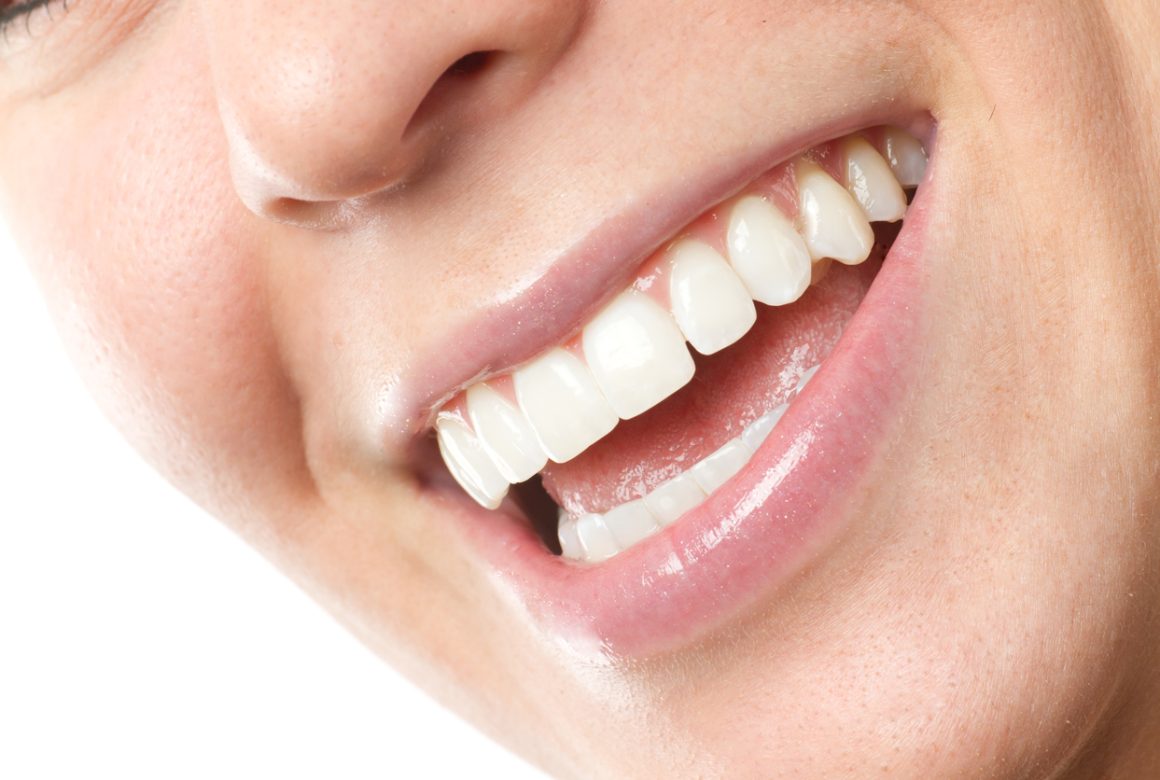
Your enamel is remarkable: it’s the hardest, most highly mineralised tissue in your body, built to withstand chewing, abrasion (like brushing), acid attacks from foods and drinks, and years of wear and tear.

But there’s a big caveat: once enamel is lost, whether through erosion (acid), abrasion (tooth-on-tooth grinding or brushing too hard), trauma, or decay, the body cannot regenerate it naturally.

So, when enamel wears away, the underlying dentine can become exposed, leading to sensitivity, increased risk of decay, chipping, and in worst cases, tooth loss.

Book your FREE initial chat
What the research found

What the research found

In the published study (see full article here), the research team created a biomimetic supramolecular protein matrix, which in simpler terms, is a specially designed protein layer that imitates how enamel forms in nature.

Key points the team achieved:

  • They engineered this matrix so that when applied to eroded enamel (or even exposed dentine), it could trigger growth of new apatite nanocrystals (the mineral making up enamel) in a structured way.
  • The new layer was shown to recreate different anatomical regions of enamel (apricise enamel layer, prismatic enamel, inter-prismatic regions) and thus recover mechanical properties (hardness, stiffness, wear resistance) that were lost due to erosion.
  • The study also tested how the regenerated layer performed under conditions similar to daily life: brushing abrasion, chewing/grinding simulation, acid exposure, and the results were very encouraging.
Read the article
Adam Winter’s involvement

Adam Winter’s involvement

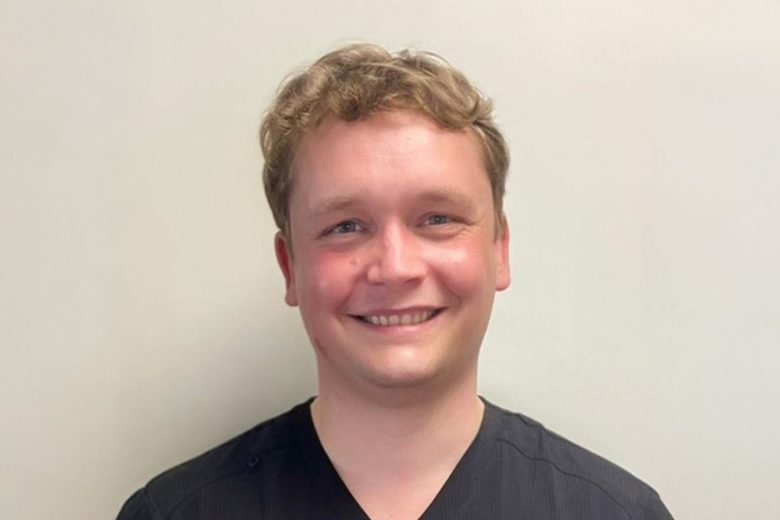
Adam is listed as one of the authors of the study. His participation underscores his ongoing commitment not only to excellent clinical care but to staying at the forefront of restorative dental science.

At our practice, this means you benefit from the latest research-informed care: treatments that aim not just to repair but to regenerate and preserve tooth structure.

What this could mean for you as a patient

What this could mean for you as a patient

While this specific technology is still in the research/translation phase (not yet routine in clinical practice), here’s how the findings are relevant to you:

  • A future treatment may exist where worn or eroded enamel can be regrown in-situ (in your mouth) instead of simply replacing it with artificial materials.
  • Even now, the principles emphasise how critical it is to protect enamel: once it’s gone, the challenge is much greater. This is why preventive care (good brushing technique, diet, regular check-ups) is so important.
  • When restorative work is needed, a practitioner who is engaged with cutting-edge research (like Dr Winter) may have access to new and minimally invasive options earlier.
  • It reinforces that enamel wear (from acid, brushing too hard, grinding, etc) is not just cosmetic – it affects the structural integrity of your teeth.
How our team approaches enamel health and restoration

How our team approaches enamel health and restoration

At the practice, led by Adam Winter, we make enamel protection a priority:

  • We assess signs of enamel erosion and wear early (not just cavities).
  • We advise tailored preventive strategies (diet advice, brushing technique, night-guards if you grind, fluoride/reamineralising treatments).
  • When restoration is needed (fillings, veneers, crowns), we choose approaches that are as conservative as possible — preserving the remaining enamel/dentine and therefore giving you the best long-term outcome.
  • We keep an eye on emerging research so that when technologies like the one described in the article become clinically available, we are ready to offer them appropriately.

Thanks to collaborative research (including Adam Winter’s contribution) published in Nature Communications, we are one step closer to treatments that can regenerate enamel rather than simply patch it. While you may not yet walk in and ask for “biomimetic supramolecular protein matrix remineralisation” (yet!), you can work with us to protect your enamel today and benefit from tomorrow’s advances.

If you’d like to discuss what this means for your teeth — especially if you have signs of wear, sensitivity, or enamel thinning — please get in touch and we’ll look at your individual needs.